Wall Cavity Drying in Houston, TX 77069
Wet insulation behind a wall can leave paint looking normal while framing stays damp. Houston Water Damage Pros handles Class 4 specialty drying and connected carpet water extraction for hidden moisture after leaks.
How It Works
Getting the services you need is simple, fast, and completely hassle-free. We handle the heavy lifting so you don't have to.
1. Request a Quote
Call us or fill out our online form. We provide transparent, upfront pricing with no hidden fees.
2. Schedule Service
Choose a date that works for you. We offer flexible scheduling and on-time reliable delivery.
3. Job Done
We handle the delivery, service, and prompt pickup. You focus on your project, we handle the rest.
Services We Offer in Houston
Explore our full range of professional services — each tailored to meet your specific needs with quality and reliability.
Wall Cavity Drying
Wall cavity drying for homes and contractors, including hidden framing moisture. HEPA, pump, and LGR equipment; typical jobs run $500–$2,500 by access.
Post-Flood Drying
Post-flood drying removes hidden moisture from homes and commercial spaces, including wall cavity drying. Typical jobs run $3,000–$10,000, based on category depth.
Hardwood Floor Drying
Hardwood drying for wet rooms and subfloors; our crew uses HEPA air cleaning and truck-mount extraction when needed. Typical rates: $8–$15/sqft, based on salvageability.
Emergency Structural Drying
Structural drying for 500–5,000 sq ft homes or commercial spaces, using 70–200-pint dehumidifiers and 20-amp circuits. Pricing depends on access and drying days.
Subfloor Drying
Subfloor drying for residential 1–4 room jobs uses a 2-inch pump and 2,500–3,200 CFM air movers. Typical cost depends on access and drying days.
Standing Water Removal
Standing Water Removal clears residential or commercial water with 1.5–2-inch hoses. Typical jobs run $400–$1,200, driven by square footage; drying may last 24–72 hours.
Toilet Overflow Cleanup
Toilet overflow cleanup removes sewage from bathrooms, carpet, and subfloors. Category 3 work often runs $2,500–$8,000, depending on contamination class.
Flood Water Removal
Burst pipe water extraction for Houston homes, using 50–300 GPM pumps and Category 1 or 3 PPE. Typical floods run $1,000–$5,000 based on access.
Apartment Water Extraction
Apartment water extraction covers Category 3 cleanup and drying with 2,500–3,200 CFM air movers. Typical single-room work costs $400–$1,200, based on square footage.
Why Local Businesses & Homeowners Choose Us
We're committed to delivering exceptional emergency water extraction & drying in Houston with professionalism you can count on.
Licensed & Insured
Every job is backed by full licensing and insurance coverage for your complete peace of mind.
Fast Response Times
We understand urgency. Contact us and get a response within hours, not days.
Upfront, Transparent Pricing
No hidden fees, no surprises. Get a clear quote before any work begins.
4.9-Star Rated
Hundreds of satisfied customers in Houston trust us for reliable, professional service.
Experienced Professionals
Our team brings years of hands-on expertise to every project, big or small.
Satisfaction Guaranteed
We stand behind our work. If you're not happy, we'll make it right.
Ready to Get Started?
Call now for a free estimate in Houston. Same-day service available!
Can Damp Walls Require Injectidry Drying?
A wall may feel dry while insulation and studs remain wet after a burst pipe or appliance leak. In Houston’s humid subtropical climate year-round, hidden moisture can support mold risk within 24–48 hours.
-
Musty odor near carpet: Moisture may have traveled upward behind baseboards. Our team pairs carpet water extraction with wall cavity injectidry checks.
-
Soft or swollen drywall: Soggy drywall after a roof leak can hide wet framing. We map moisture before recommending selective drywall tear-out.
-
Paint bubbling or peeling: Surface damage can signal trapped water, not merely poor adhesion. We compare surface dry readings with deeper cavity measurements.
-
Cool, damp wall sections: Uneven temperature near Buffalo Bayou Park homes can indicate evaporation inside the cavity. We use thermal imaging and documented moisture readings.
The IICRC S500 standard guides drying decisions, while IICRC S520 informs mold-related follow-up. If you notice odor, bubbling paint, or a damp wall after leakage, schedule an inspection before secondary damage spreads.
What Happens During Wall Cavity Drying?
The first operational step is a phone scope review covering the leak source, wall materials, and safe access.
-
Inspect: We document rooms, locate wet areas, and check nearby flooring around Downtown Houston properties.
-
Classify: We identify Category 1 clean water, Category 2 gray water, or Category 3 black water before handling materials.
-
Extract: We complete wet extraction first, then place equipment sized for the cavity and surrounding structure.
-
Verify: We compare moisture readings daily and remove equipment when targets stabilize; structural drying commonly takes 3–5 days.
Houston’s high humidity can extend drying, so we close windows during dehumidification. For sewage-related losses, HVAC stays off and PPE is required during Category 3 work.
Why Hire Pros for Hidden Wall Moisture?
A shop-vac may remove visible water after a leak near the Texas Medical Center, but it cannot confirm a dry wall cavity. Houston’s humid subtropical climate year-round makes concealed moisture harder to judge by touch alone.
- Standards: We use ANSI/IICRC standards and IICRC S500 drying logic, helping distinguish surface moisture from structural moisture.
- Equipment: Injectidry access, moisture mapping, and air movement reach enclosed areas more reliably than household fans.
- Health planning: Indoor Air Quality Association guidance helps frame air-quality concerns, especially for healthcare clinics and occupied buildings.
- Clear scope: National Institute of Building Sciences research and ASTM International test methods support sensible documentation, while our quote reflects access and material removal.
For connected emergency structural drying, our team can coordinate the broader loss without treating every wall as a replacement. Houston Water Damage Pros provides a practical scope review at (833) 785-0037.
What Should You Prepare Before Drying?
Before scheduling, photograph the affected wall, baseboards, flooring, ceiling, and visible leak source. Note when the leak began and whether water came from a clean supply, appliance, roof, or drain.
Measure the wall length, room size, and accessible outlets, then identify furniture that blocks baseboards. These details help our team plan Wall cavity injectidry access, air mover placement, and equipment clearance.
Keep pets and occupants away from wet materials, and do not seal openings with fresh paint. If the space connects to a crawl area, mention clearance and any locked gates before arrival.
IICRC S500 water damage restoration guidance supports moisture mapping and documented drying goals. For suspected mold, the Texas Department of Licensing and Regulation’s Texas Mold Assessment Remediation Rules may affect assessment and remediation decisions.
Send photos and access notes to Houston Water Damage Pros for a focused review. We can coordinate appliance leak water removal when the wall cavity began behind a dishwasher, refrigerator, or washing machine.
What Does Wall Cavity Drying Include?
A roof leak can wet drywall, insulation, framing, and flooring together. Houston’s humid subtropical climate year-round makes a connected scope useful near Memorial Park and similar occupied homes.
- Appliance Leak Wall Drying: We investigate cavities beside dishwashers, refrigerators, and washing machines, using injectidry access where appropriate.
- Roof Leak Cavity Drying: We check soggy drywall after roof leak events and coordinate selective tear-out when materials cannot be salvaged.
- Burst Pipe Wall Drying: We trace water migration from supply lines into insulation, studs, baseboards, and adjoining rooms.
- Carpet And Wall Extraction: We pair wall work with carpet water extraction when wet flooring and hidden wall moisture share one source.
- After-Hours Silent Drying: We plan quieter equipment placement for occupied apartments, offices, and other spaces needing discreet overnight drying.
ANSI/IICRC standards support the use of daily moisture logs, while our crew records affected materials and drying progress. Each offering receives a scope matched to access, water category, and material condition.
How Much Does Wall Drying Cost?
A small cavity beside one appliance can cost less than a long wall with wet insulation, flooring, and demolition. Houston’s humid subtropical climate year-round may also add equipment days when moisture leaves slowly.
- Single-room cavity drying: $400–$1,200 square footage, access points, and equipment duration move the range.
- Multi-wall residential drying: $1,200–$3,500 affected rooms, insulation condition, and selective drywall removal matter.
- Hardwood-adjacent cavity work: $8–$15/sqft for related hardwood drying salvage versus replacement drives the result.
- Crawl-connected wall drying: $1,500–$5,000 access moisture and confined work conditions affect labor.
The IICRC S500 drying approach helps separate extraction, demolition, and monitoring from unnecessary replacement. We can also coordinate subfloor drying when moisture passed beneath finished flooring.
Final quotes depend on water category, square footage, and site conditions. Contact Houston Water Damage Pros for a job-specific quote at (833) 785-0037.
Frequently Asked Questions
Got questions about emergency water extraction & drying in Houston? We have answers.
Can Wall Cavity Drying handle an HOA access restriction in Houston?
Yes, Wall Cavity Drying can be planned around HOA access rules, occupied rooms, and approved work hours. We document proposed openings, equipment placement, and daily moisture readings, then coordinate with the property contact before beginning.
What should I send before scheduling Wall Cavity Drying?
Send Wall Cavity Drying photos, wall measurements, leak timing, water-source details, and access notes for outlets or locked areas. Those details help our crew plan injectidry openings, moisture mapping, and equipment sizing for the Houston property.
Does Wall Cavity Drying require a permit in Houston?
Wall Cavity Drying does not automatically require a permit, but structural openings, reconstruction, floodplain work, or regulated materials can change that answer. We follow IICRC S500 practices and refer relevant questions to the City of Houston Department of Public Works, while TDLR Texas Mold Assessment Remediation Rules apply when mold assessment or remediation is involved.
Should Wall Cavity Drying be bundled with Emergency Structural Drying?
Yes, Wall Cavity Drying should be bundled with Emergency Structural Drying when water reached flooring, ceilings, insulation, or adjacent rooms. After an appliance leak, our team may also coordinate subfloor drying; sewage losses require Category 3 black water controls, PPE, and appropriate wastewater handling.
What does completed Wall Cavity Drying look like, and is follow-up included?
Completed Wall Cavity Drying means moisture readings have stabilized across the wall assembly and nearby materials, with daily logs supporting the final condition. We review remaining repairs, photograph affected areas, and discuss mold remediation or drywall tear-out when readings or material damage require follow-up.
Meet Your Local Experts
Marcus Alvarez Lead Expert
Houston Water Damage Pros
"Fast Extraction, Thorough Structural Drying"
I started in Houston property maintenance after seeing how quickly burst pipes, slab leaks, and stormwater could damage homes near Brays Bayou and the Heights. I learned to pair wet extraction with moisture mapping, LGR drying, and a psychrometric chart rather than relying on surface feel alone. Houston’s humid subtropical climate, winter freeze events, and hurricane season shaped my focus on careful, local emergency response.
Featured Work & Projects
Browse our recent jobs and quality workmanship for customers across Houston.
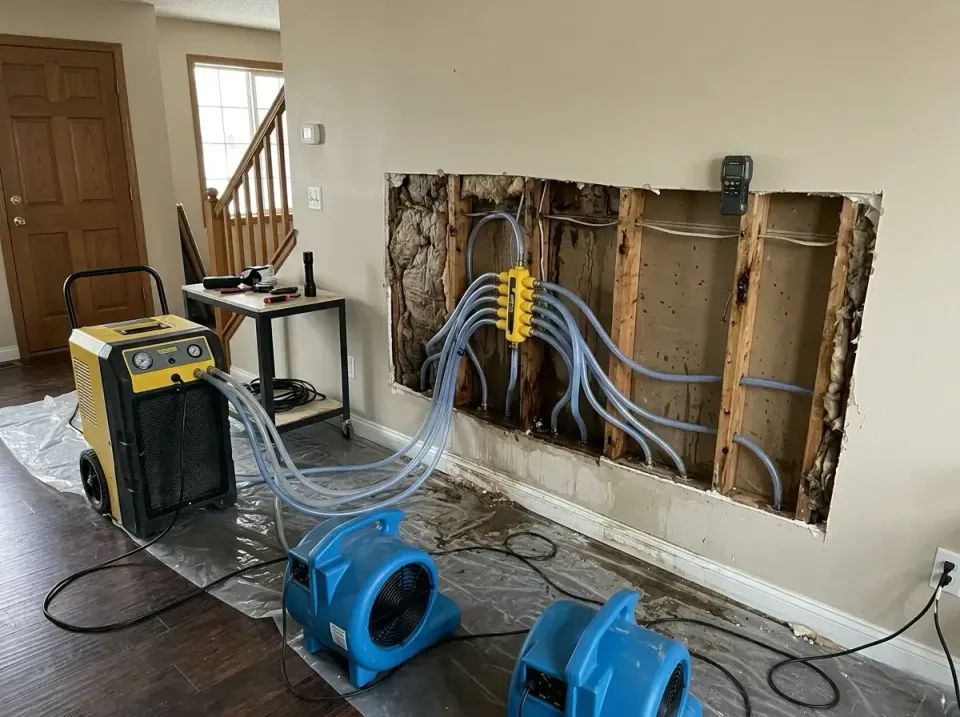
Industrial Dehumidifier — Residential Interior
Complete on-site emergency water extraction & drying execution
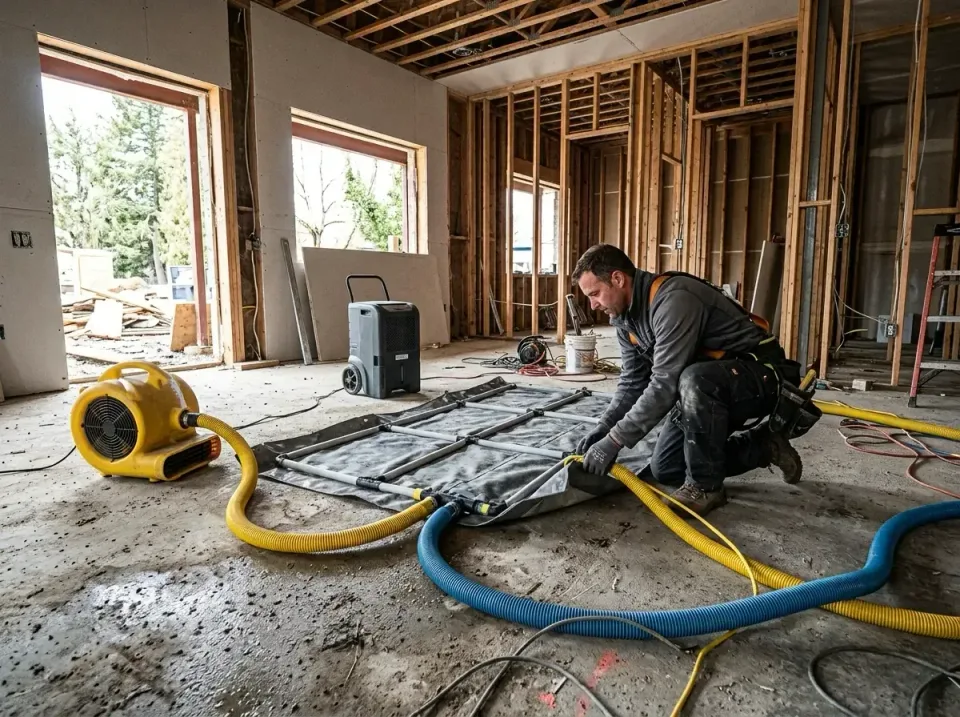
Air Mover — Construction Site
Same-day delivery and flexible scheduling
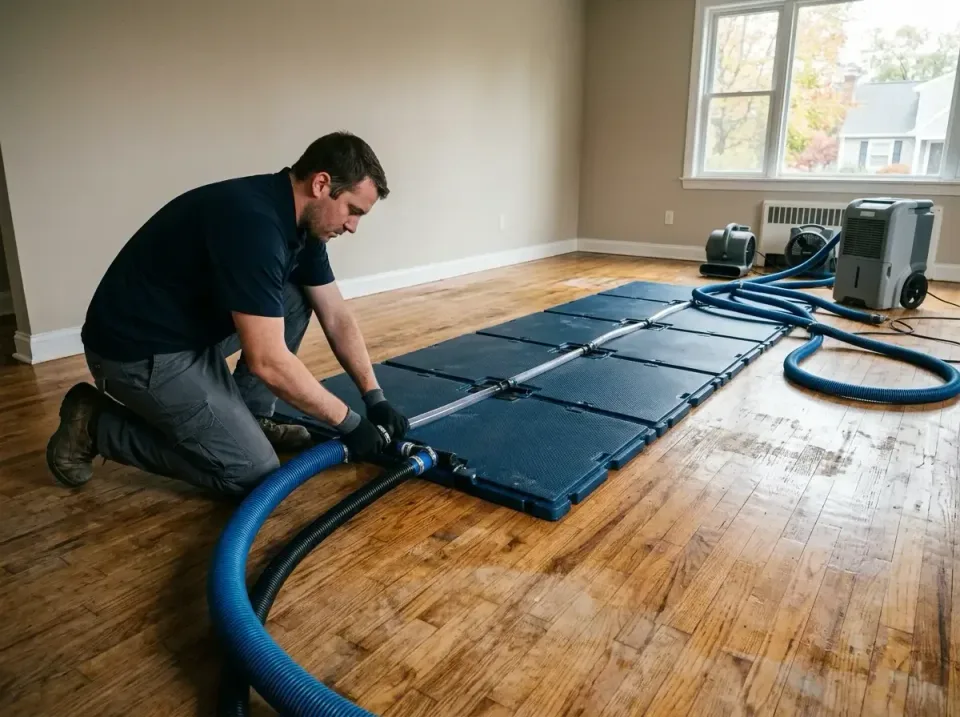
Restoration Technician — Residential Interior
Heavy-duty equipment placement and prompt pickup
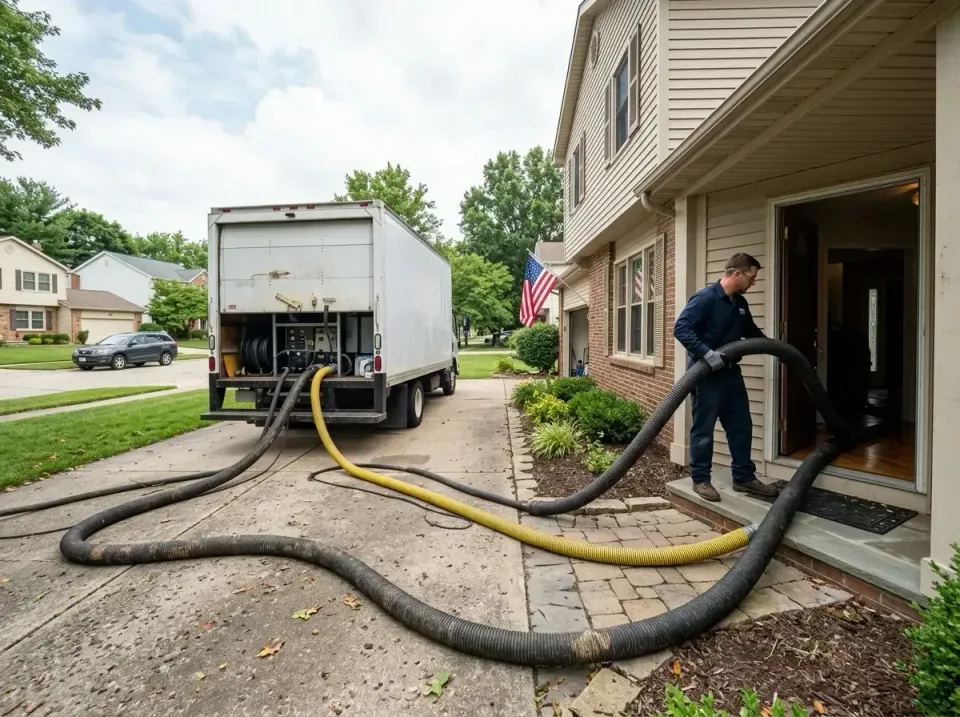
Box Truck — Residential Driveway
Custom service setup tailored to site needs
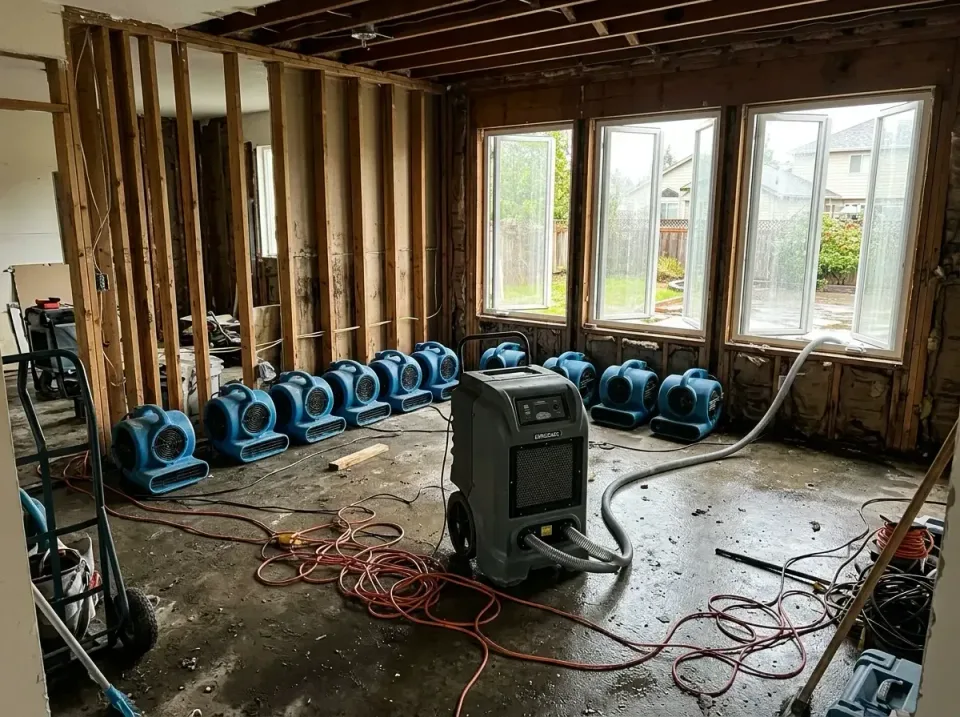
Industrial Dehumidifier — Water Damage Restoration
Event-ready restroom and sanitation deployment
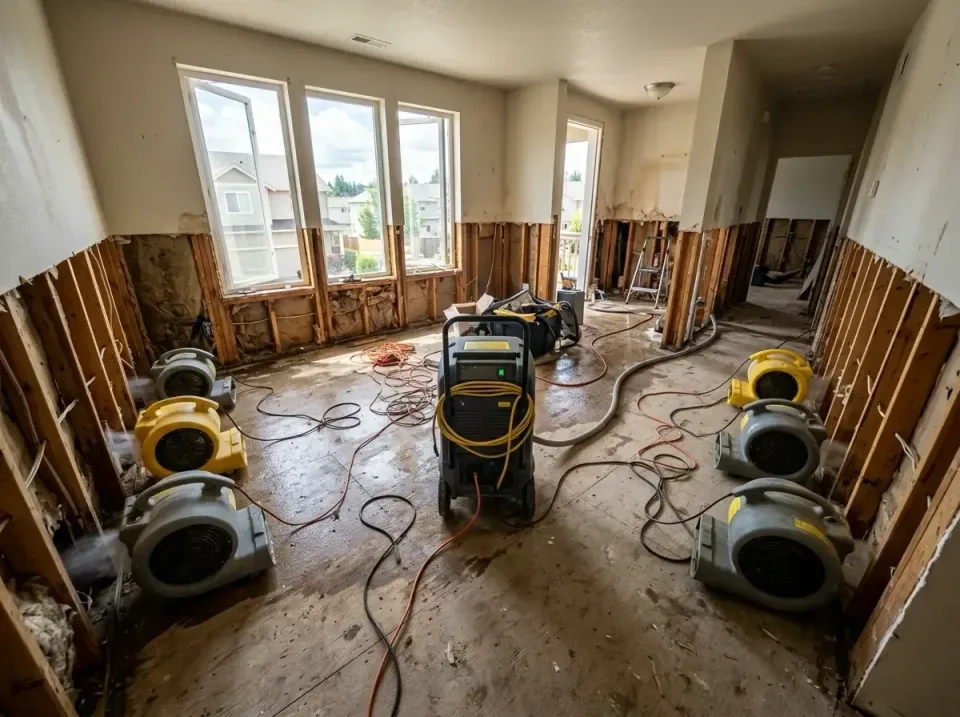
Industrial Dehumidifier — Water Damage Restoration
Construction site service with reliable maintenance
Get Your Free Quote Today
Fast response · No obligation · Transparent pricing
Call now or request a quote online. We'll have your units scheduled and delivered within 24 hours.
Where We Serve
Emergency Water Extraction & Drying available across Houston and nearby communities.