Crawl Space Water Removal in Houston, TX 77069
Standing water under a home can soak insulation, support mold, and leave floors smelling musty. Houston Water Damage Pros provides emergency water drying, with clear scope reviews before carpet water extraction prices Houston are discussed.
How It Works
Getting the services you need is simple, fast, and completely hassle-free. We handle the heavy lifting so you don't have to.
1. Request a Quote
Call us or fill out our online form. We provide transparent, upfront pricing with no hidden fees.
2. Schedule Service
Choose a date that works for you. We offer flexible scheduling and on-time reliable delivery.
3. Job Done
We handle the delivery, service, and prompt pickup. You focus on your project, we handle the rest.
Services We Offer in Houston
Explore our full range of professional services — each tailored to meet your specific needs with quality and reliability.
Crawl Space Water Removal
We remove crawl-space water, debris, and moisture under Houston homes. Typical drying costs $1,500–$5,000, driven by access and moisture levels.
Slab Leak Water Removal
We remove slab leak water beneath concrete and dry affected subfloors. Typical jobs run $400–$1,200 for one room, based on square footage and access.
Standing Water Removal
Standing Water Removal clears residential or commercial water with 1.5–2-inch hoses. Typical jobs run $400–$1,200, driven by square footage; drying may last 24–72 hours.
Hurricane Flood Water Removal
Hurricane flood cleanup for residential 1–4 room jobs, using 2,500–3,200 CFM air movers. Typical whole-house work costs $3,000–$10,000 based on category depth.
Warehouse Water Removal
Warehouse Water Removal covers 500–5,000 sq ft losses with commercial extraction and drying. Final pricing depends on access, water category, and equipment days.
Flood Water Removal
Burst pipe water extraction for Houston homes, using 50–300 GPM pumps and Category 1 or 3 PPE. Typical floods run $1,000–$5,000 based on access.
Appliance Leak Water Removal
We remove appliance water from kitchens, laundry rooms, and floors. Typical jobs run $400–$1,200, shaped by square footage and access.
Carpet Water Extraction
We extract saturated carpet after leaks or floods, including residential rooms and commercial areas. Typical single-room work costs $400–$1,200, based on square footage.
Burst Pipe Water Extraction
Covers burst lines, sewage backup extraction, and 1–4 room losses. Typical $500–$2,000, based on square footage, PPE needs, and drying equipment.
Why Local Businesses & Homeowners Choose Us
We're committed to delivering exceptional emergency water extraction & drying in Houston with professionalism you can count on.
Licensed & Insured
Every job is backed by full licensing and insurance coverage for your complete peace of mind.
Fast Response Times
We understand urgency. Contact us and get a response within hours, not days.
Upfront, Transparent Pricing
No hidden fees, no surprises. Get a clear quote before any work begins.
4.9-Star Rated
Hundreds of satisfied customers in Houston trust us for reliable, professional service.
Experienced Professionals
Our team brings years of hands-on expertise to every project, big or small.
Satisfaction Guaranteed
We stand behind our work. If you're not happy, we'll make it right.
Ready to Get Started?
Call now for a free estimate in Houston. Same-day service available!
What Damp Crawl Space Clues Need Attention?
A damp crawl space after a storm may smell earthy, feel warmer than the rooms above, or show wet insulation. Houston’s high humidity fuels indoor mold, while secondary damage delay lets moisture spread into framing.
-
Standing water below the vapor barrier: It can keep subfloor materials wet. Our crew performs standing water removal and checks vapor pressure differential before drying.
-
Musty odor near floor registers: Odors may travel upward from wet insulation or soil. We inspect moisture paths and coordinate carpet water extraction when materials above are affected.
-
Sagging insulation or pooled debris: Wet insulation can conceal Category 2 gray water. We remove compromised material and document conditions through moisture mapping.
-
Soft joists or damp subfloor edges: Delayed drying can affect structural materials. Houston Water Damage Pros uses confined-space precautions and records findings for the property owner.
If you notice pooling, musty odor, or soft flooring, schedule an inspection this week before hidden moisture supports mold growth.
What Happens During Four Drying Stages?
The first operational step is confirming the water source, safe entry route, and crawl space clearance before equipment enters.
-
Source and access check: Shut the main water valve first when a plumbing failure caused the loss. We review access around Houston homes and note any low-clearance hazards.
-
Water removal: A two-inch submersible trash pump handles pooled water before drying equipment starts. This follows the extraction-before-air-movers rule and protects nearby materials.
-
Contained drying: We place air movers and LGR equipment according to moisture readings. Structural drying commonly takes three to five days, with daily moisture photo logs.
-
Completion review: We compare readings against dry standards and explain remaining repairs. Equipment may stay onsite 24–72 hours, including properties near Hermann Park.
Houston’s humid subtropical climate year-round makes closed windows and controlled drying important. Read more about flood water removal when stormwater affects the structure beyond the crawl space.
Why Hire Professionals for Crawl Space Drying?
After heavy rain near Buffalo Bayou Park, a homeowner may see only a shallow puddle while insulation and joists remain wet underneath.
- Safe entry: An 18-inch crawl space clearance can limit movement and visibility. Our crew treats confined access seriously and avoids sending customers into unsafe areas.
- Correct equipment: DIY box fans cannot match axial air movers or controlled LGR drying. We size air movement to the space and verify results with moisture readings.
- Cleaner air: ANSI/IICRC standards guide material handling, while HEPA filtration helps control airborne particles during cleanup. This matters when damp insulation or debris is disturbed.
- Clear value: We document the affected scope, separate extraction from repairs, and right-size equipment. Customers receive a practical quote rather than paying for unnecessary drying days.
Our team can coordinate crawl space drying with emergency structural drying when moisture has reached floors or walls.
What Should You Prepare Before Crawl Space Removal?
If a crawl space stays wet after a storm, photograph the entry, standing water depth, insulation, and visible plumbing before moving materials. Do not enter if the opening is unsafe or contamination is suspected.
Share the approximate crawl space dimensions, clearance height, access location, and whether the home connects to an apartment or addition. These details help us plan a standing water pump out and equipment placement.
We may use air movers for water damage, moisture mapping, and a pinless meter after extraction. Keep vehicles clear for hoses and equipment, and secure pets before the crew arrives.
OSHA 29 CFR 1910.146 confined-space guidance matters where entry hazards exist. For contaminated water, our team considers TCEQ wastewater disposal requirements rather than releasing wastewater improperly.
Houston’s humid subtropical climate year-round can slow evaporation. A short video of the access route helps Houston Water Damage Pros prepare a safer, more accurate scope review.
What Does Crawl Space Water Removal Include?
A storm can affect a crawl space, subfloor, insulation, and rooms above at the same time. Our crew follows IICRC S500 Water Damage guidance while separating clean water, gray water, and contaminated work.
- Crawl Space Standing Water Removal: We pump pooled water from confined areas and inspect the vapor barrier, soil, insulation, and support materials.
- Stormwater Crawl Space Extraction: We remove hurricane or rainfall intrusion before moisture spreads into framing. TCEQ wastewater disposal considerations guide discharge handling.
- Crawl Space Insulation Removal: Saturated insulation can retain odor and contamination. We document affected sections and coordinate replacement after drying conditions are confirmed.
- Subfloor Drying: We test flooring above the crawl space instead of trusting surface dryness. Daily moisture logs help show whether structural drying is complete.
- Sewage-Impacted Crawl Space Cleanup: Category 3 water requires PPE, controlled handling, and careful disposal. OSHA bloodborne pathogens practices help protect occupants and workers.
Customers can combine this work with subfloor drying when moisture has moved into the living area.
How Much Does Crawl Space Drying Cost?
A small damp area may need limited equipment, while deep pooling and contaminated insulation require more labor. Final quotes depend on water category, square footage, and site conditions.
- Crawl-space drying: $1,500–$5,000 access difficulty, moisture depth, equipment days, and insulation removal move the range.
- Single-room extraction: $400–$1,200 square footage and whether the crawl space affected flooring influence the scope.
- Category 3 sewage: $2,500–$8,000 contamination class, PPE, disposal, and demolition affect the total.
- Hardwood drying: $8–$15/sqft salvage versus replacement depends on moisture readings and material condition.
A crawl space with limited entry may need specialty equipment, while a larger property may require staged drying. Houston’s high humidity can also extend equipment time compared with a dry indoor environment.
For a final quote matched to the job scope, contact Houston Water Damage Pros at (833) 785-0037. See standing water removal when pooling extends beyond the crawl space.
Frequently Asked Questions
Got questions about emergency water extraction & drying in Houston? We have answers.
Can HOA rules affect Crawl Space Water Removal after a Houston storm?
Yes, HOA rules may affect equipment placement, exterior hoses, debris staging, or access scheduling, but they should not delay reporting active water damage. Houston Water Damage Pros can document damp insulation, moisture mapping, and storm conditions for an owner or insurer, including properties near Discovery Green.
What should I photograph before scheduling Crawl Space Water Removal?
Photograph the entry opening, clearance, pooled water depth, wet insulation, damaged vapor barrier, and any visible plumbing without entering an unsafe area. Those images help estimate access, determine whether Category 1 clean water or Category 2 gray water is present, and prepare a safer equipment plan.
Does Crawl Space Water Removal require a permit or confined-space review?
A confined-space review may be needed when entry hazards exist, and OSHA 29 CFR 1910.146 provides the relevant framework for evaluating access and atmospheric risks. IICRC S500 Water Damage guidance supports the drying plan, while Houston floodplain development permit rules may apply to certain structural or flood-related work.
Should Crawl Space Water Removal be bundled with other extraction services?
Yes, bundling is appropriate when a water heater leak, burst pipe, or storm intrusion affects both the crawl space and finished rooms. Our team may combine crawl space work with Emergency Water Extraction & Drying, subfloor drying, or carpet water extraction after classifying the water and mapping connected moisture.
How do I know Crawl Space Water Removal is complete?
Crawl Space Water Removal is complete when moisture readings support dry targets, odor sources and unsalvageable materials are addressed, and daily moisture logs show stable conditions. Structural drying commonly takes three to five days, but Houston’s high humidity, material type, access, and contamination can change the schedule; follow-up mold remediation may be recommended under TDLR Texas Mold Assessment Remediation Rules.
Meet Your Local Experts
Marcus Alvarez Lead Expert
Houston Water Damage Pros
"Fast Extraction, Thorough Structural Drying"
I started in Houston property maintenance after seeing how quickly burst pipes, slab leaks, and stormwater could damage homes near Brays Bayou and the Heights. I learned to pair wet extraction with moisture mapping, LGR drying, and a psychrometric chart rather than relying on surface feel alone. Houston’s humid subtropical climate, winter freeze events, and hurricane season shaped my focus on careful, local emergency response.
Featured Work & Projects
Browse our recent jobs and quality workmanship for customers across Houston.
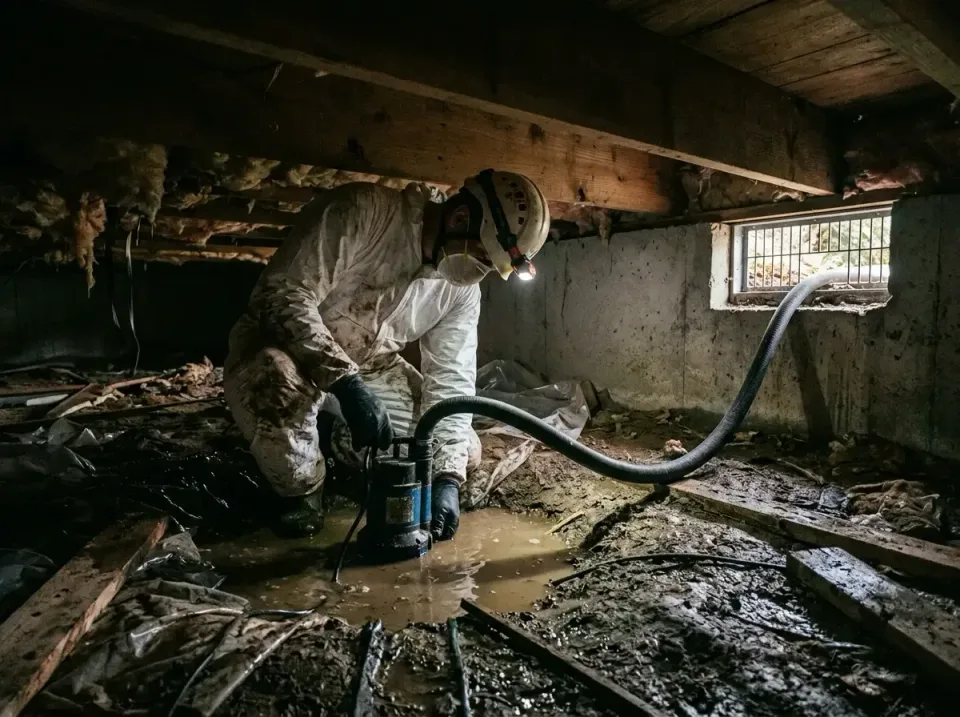
Submersible Pump — Crawl Space
Complete on-site emergency water extraction & drying execution
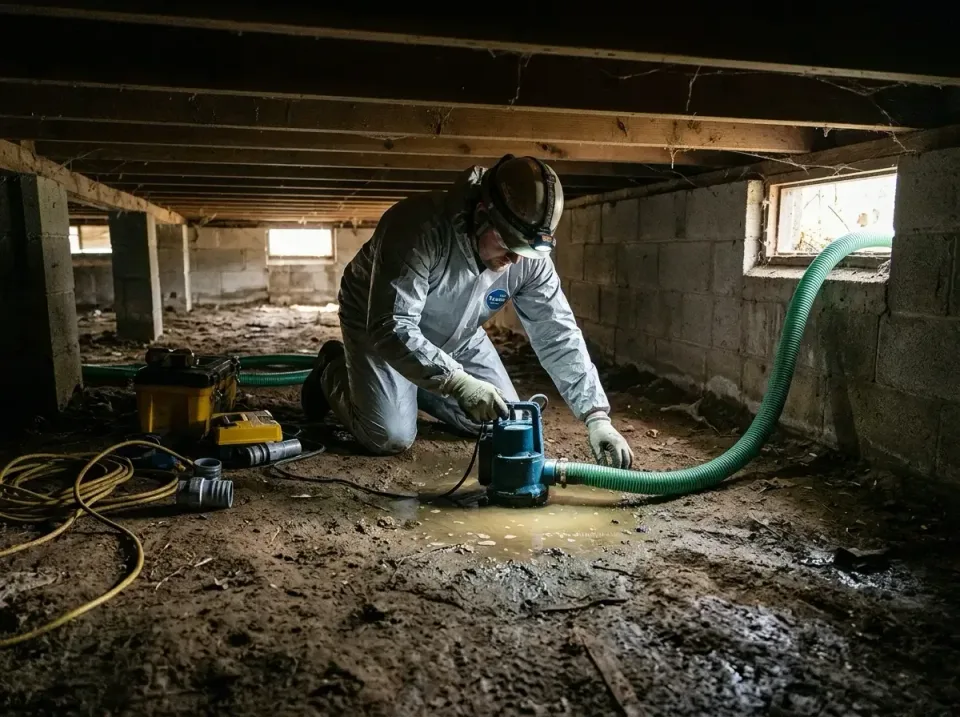
Submersible Pump — Crawl Space
Same-day delivery and flexible scheduling
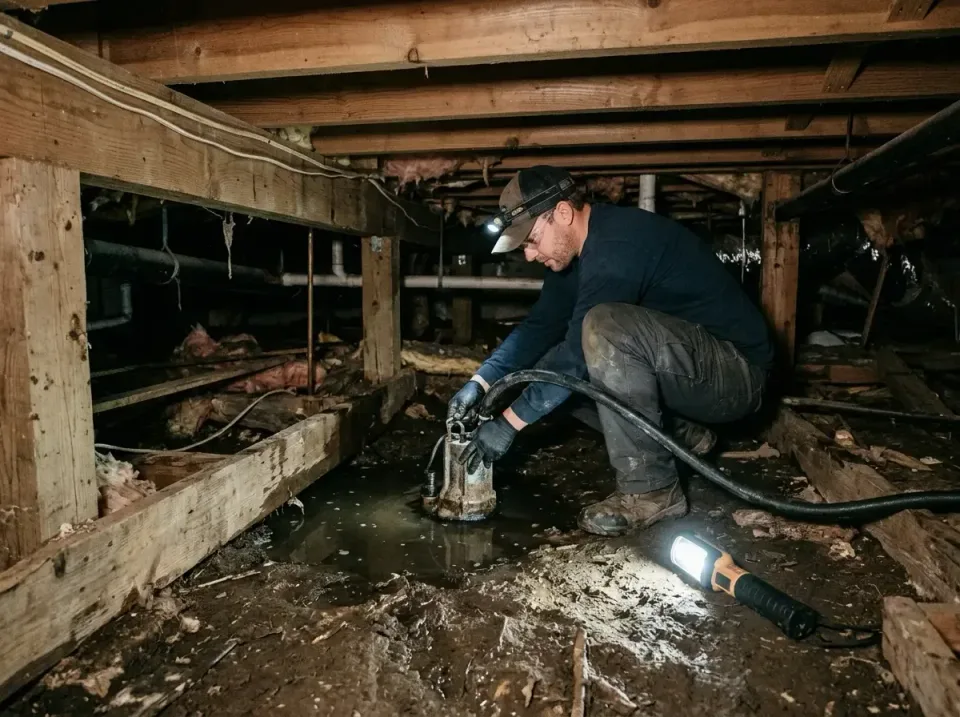
Submersible Pump — Crawl Space
Heavy-duty equipment placement and prompt pickup
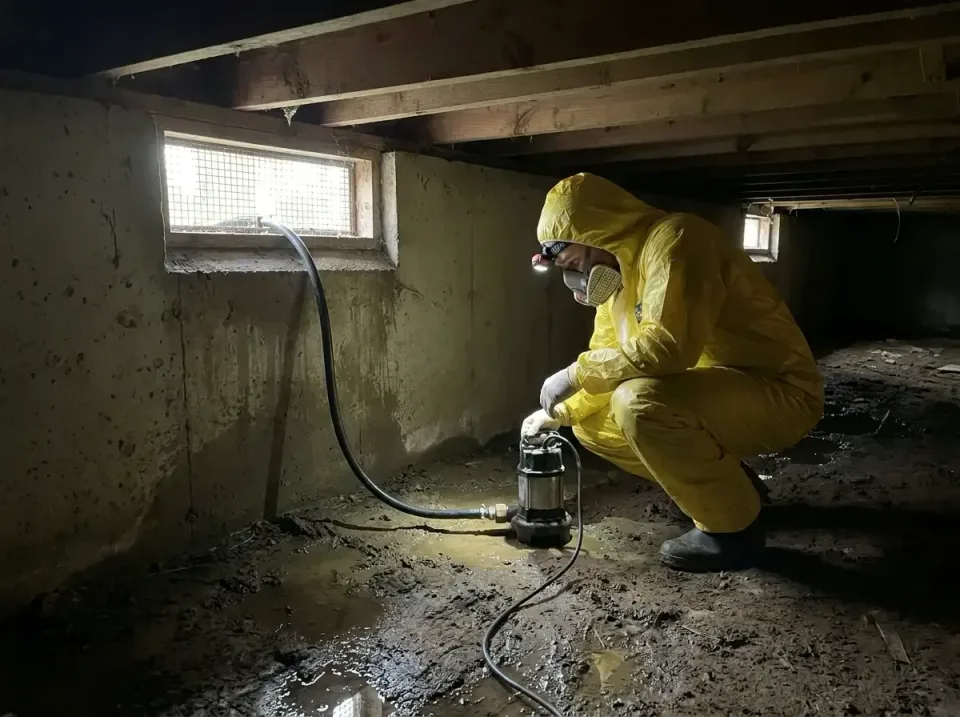
Technician — Crawl Space
Custom service setup tailored to site needs
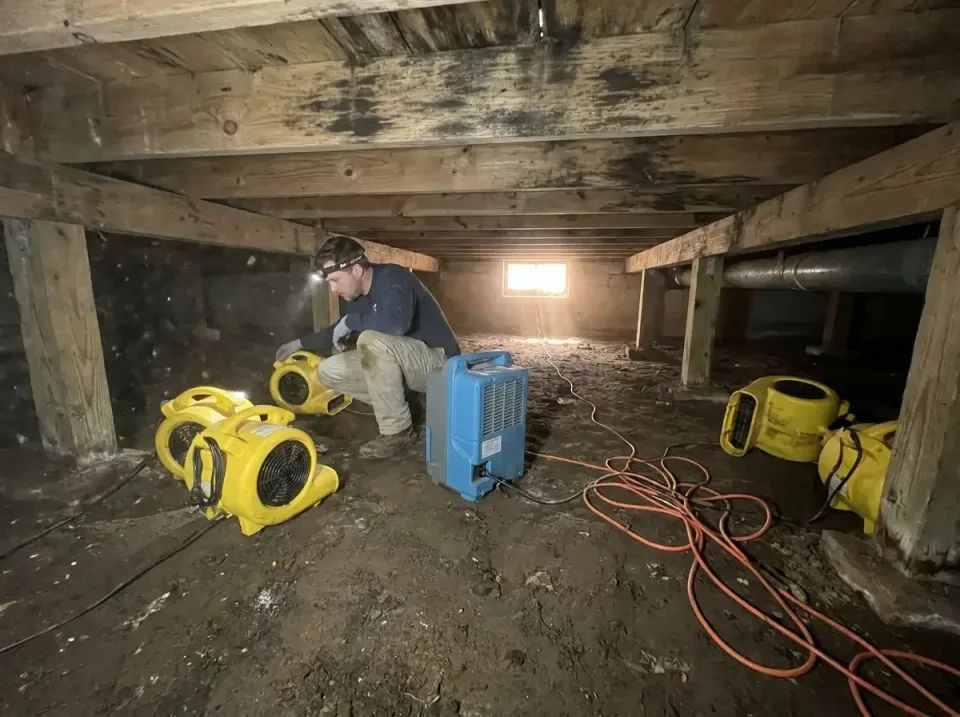
Technician — Water Damage Restoration
Event-ready restroom and sanitation deployment
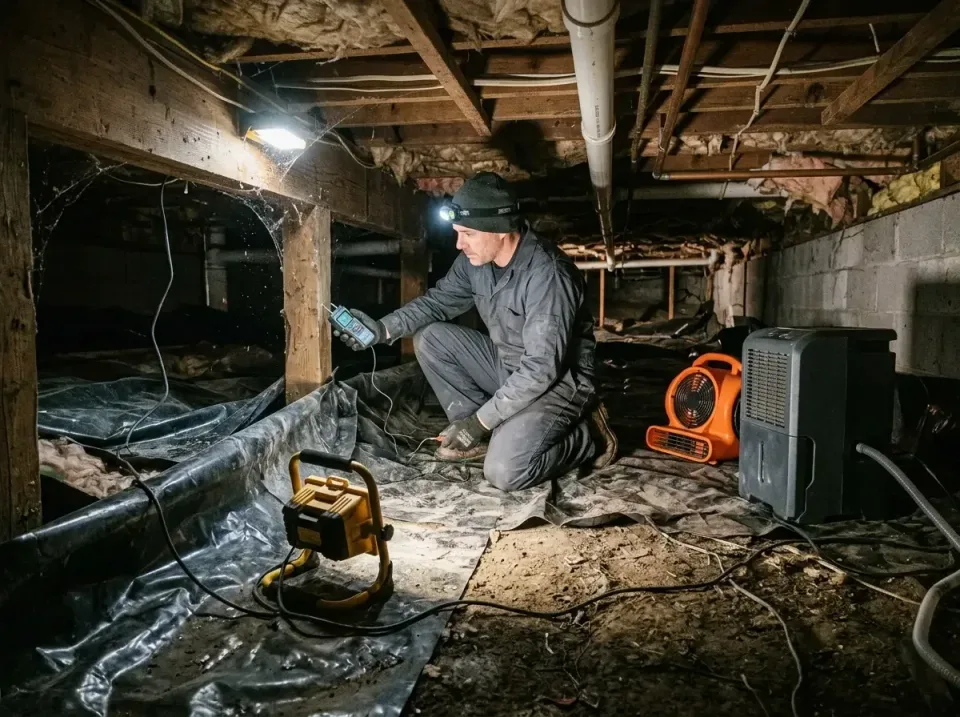
Technician — Crawl Space
Construction site service with reliable maintenance
Get Your Free Quote Today
Fast response · No obligation · Transparent pricing
Call now or request a quote online. We'll have your units scheduled and delivered within 24 hours.
Where We Serve
Emergency Water Extraction & Drying available across Houston and nearby communities.